
The One-Thing File
A Work-in-Process
One thing I've learned from a chapter, an essay, a blog post, a documentary, a video, or a podcast episode
Great Books Interview about "The Captive Mind"
Only Albert Camus befriended Czeslaw Milosz during his lonely Paris years (1950s).
"The Rejection of Scholasticism." Chapter I of Basil Willey's The Seventeenth Century Background
The scholastics were interested in Total Being. In the sciences, this means they were interested in how things were related to that Total Being: transcendental reality.
The scientific revolution, by contrast, didn't care about Total Being. It abstracted from Total Being just those elements that are amenable to its methods.
The scientific revolution was a "transference of interests," rather than the uncovering of a new truth.
(Related: Page one of Etienne Gilson's Being and Some Philosophers.
Related: Jacques Derrida's condemnation of modernity's love of logocentric ideas: by elevating scientific elements to quasi-Total Being levels, modernity created a series of logocentric ideas that have no "presentness" . . . reality beyond mere words.)
"Bacon and the Rehabilitation of Nature." Chapter II of Basil Willey's The Seventeenth Century Background.
Francis Bacon--despite the arrogance displayed in his personal life, the rhythm of his sentences, and the criticism of critics like Maritain and Dawson--humble in his own way. Indeed, Bacon accused the Scholastics of arrogance. To Bacon, it was arrogant to claim to know metaphysical truths, especially to the extent that you let those "truths" drive scientific results. Bacon claimed his new method was humble: it merely followed the results of the scientific method.
From the Econtalk episode about Rowan Jacobsen’s Truffle Hound.
The Chinese have even fraudulently manipulated the truffle market. Truffle, a fungus delicacy, can go for up to $3,000 a pound because they’re so difficult to find and harvest. A few years ago, the Chinese harvested a low-quality truffle in mass quantities. More details at the TDE Annex.
Seventeen minutes of meditation can permanently improve our ability to focus our attention.
Huberman Lab, Episode September 5, 2022
Thirteen minutes of meditation every day improves your cognitive and focus abilities.
The New Criterion's "Critic's Notebook," March 15, 2022
By the nineteenth century, Edinburgh was known as the “Athens of the North."
Ian Leslie on "Curiosity" at Econtalk, May 2022
A great education doesn't teach you just how to think, but there's something even more important, which is it teaches you what to think about. It gives you the tools for you to decide what to think about. It gives you the whole, this incredible landscape, that it's up to you how you perceive the world. It's up to you, how you perceive your fellow human beings. Citing David Foster Wallace's Kenyon College Commencement Address.
"The Ninth Century." Chapter II of Henri Pirenne's Medieval Cities.
The Russians (the Viking conquerors of the Dnieper watershed during the ninth century) were fascinated by Constantinople, which they called "Czarograd": City of the Emperors.

 Rich Lowry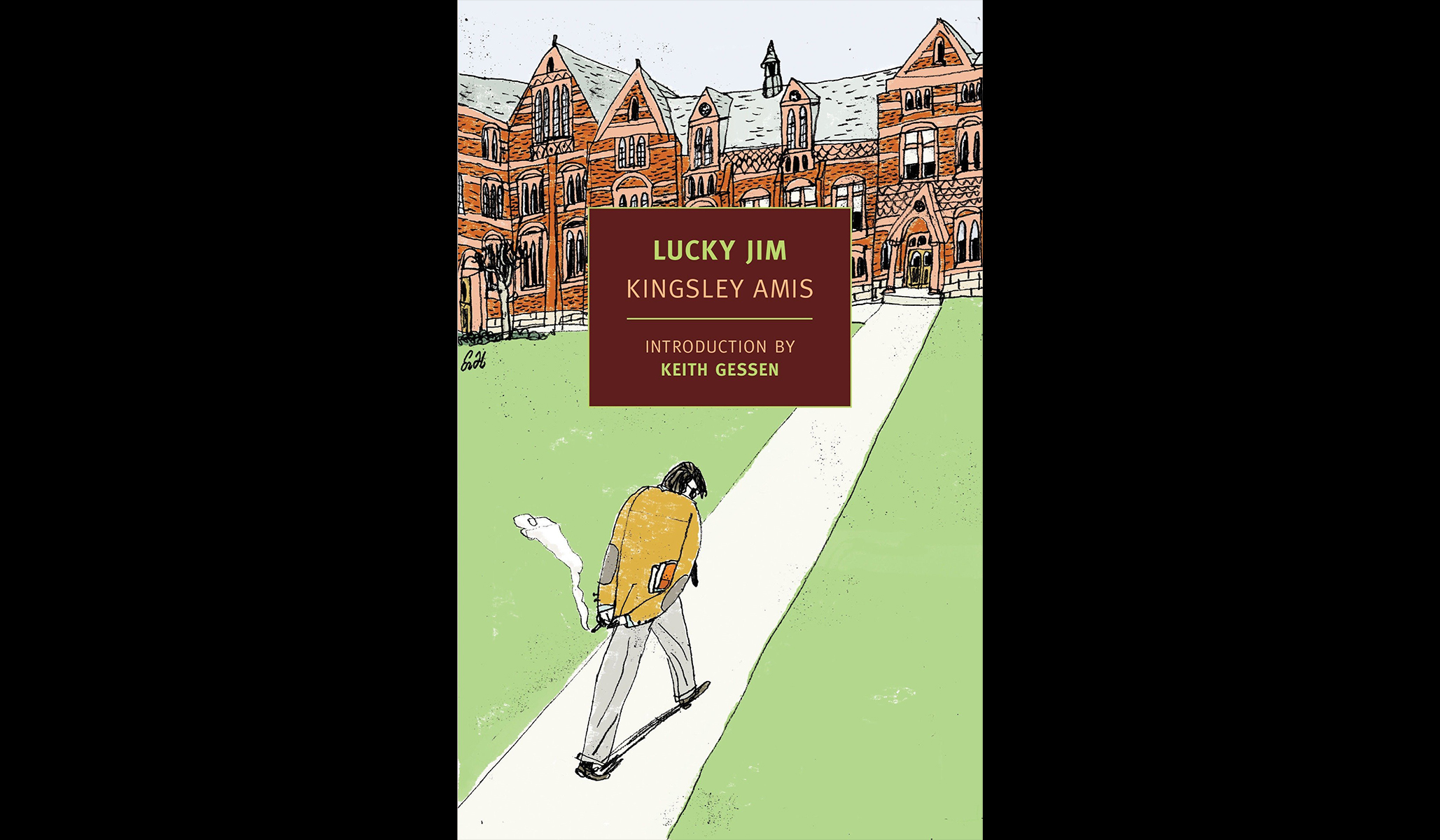
Kingsley Amis wrote a James Bond novel. He was a big fan of the novels.
Pints with Aquinas, Episode September 8, 2022 (minute 51:00issh)
Padre Pio believed in aliens. John Paul II apparently did, too.